-
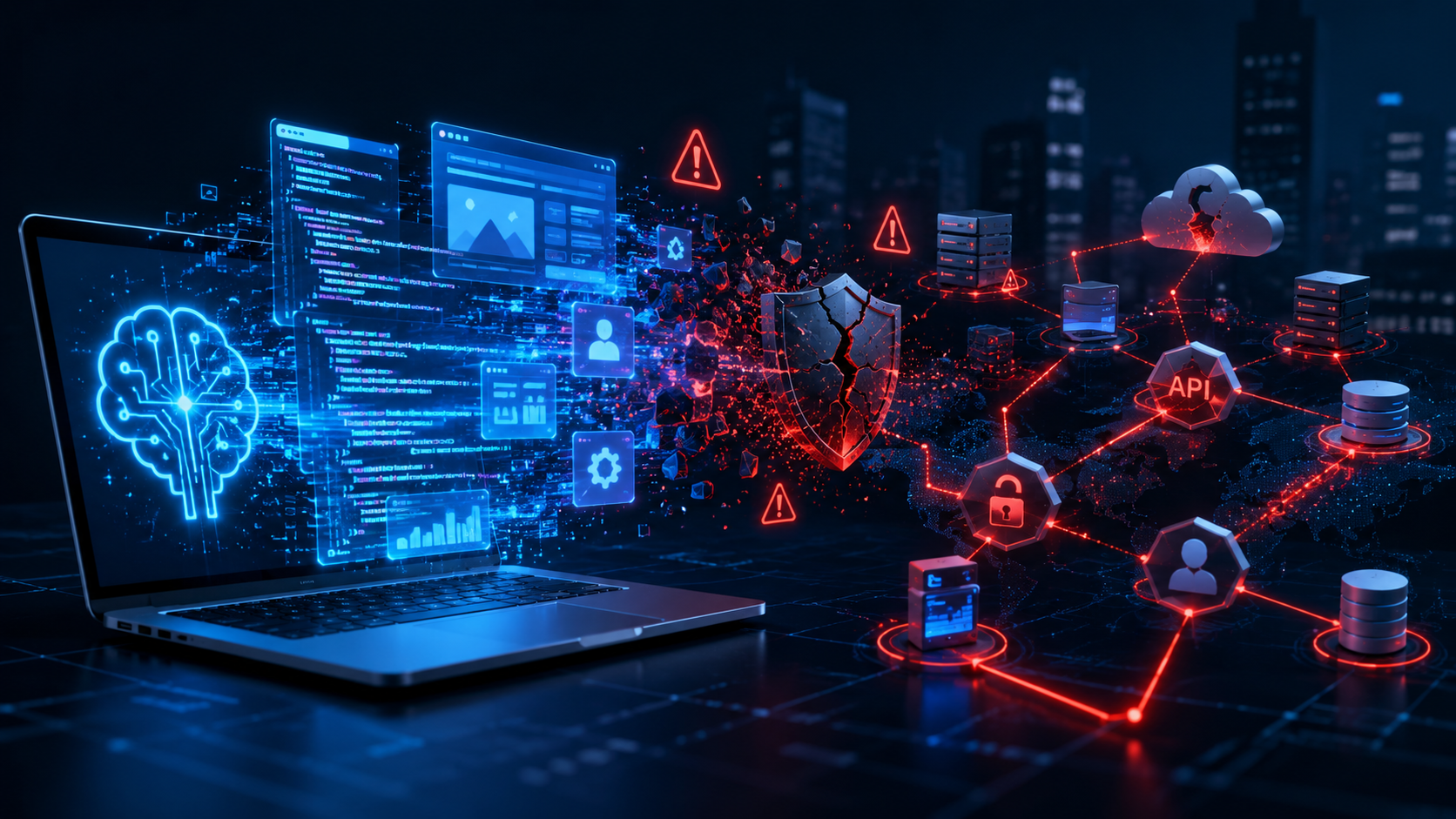
The way companies build software has changed very quickly. Today, a startup, small business, agency, or internal team can use AI tools to create web applications, dashboards, APIs, automations, chatbots, customer portals, and internal systems in much less time than before. This speed is valuable. But there is one point many companies are still not…
-
What you need to know when spinning up a Linux VPS Spinning up a new Linux VPS has never been easier. In just a few minutes, anyone can deploy a cloud server for a web app, AI workload, game server, automation project, API backend, or development environment. Providers make it simple — click a few…
-
Running a business in Saskatchewan comes with its own set of challenges. Cybersecurity is often not at the top of that list—until something happens. And when it does, it usually doesn’t look like what people expect. A Quick Story (That Happens More Than You Think) A small business owner logs into their email one morning.…
-
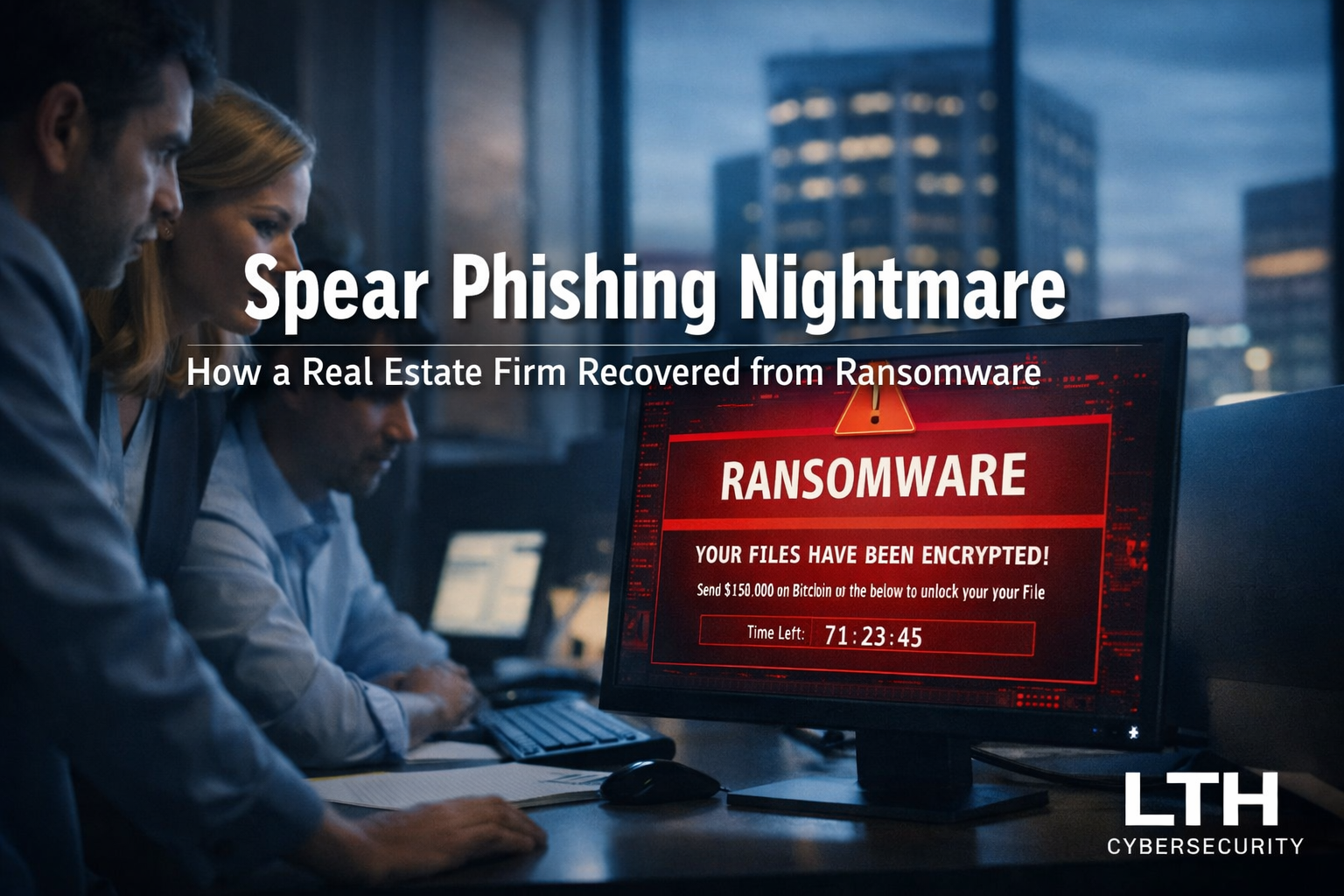
Case Study Spear Phishing Nightmare: How LTH Cybersecurity Helped a Real Estate Firm Recover from Ransomware The Vulnerable Target A mid-sized real estate firm relied heavily on email for daily operations. Lease negotiations, agreements, financial documents, and legal communications were exchanged regularly between: Property Management Finance Legal HR The organization had basic IT support but…
-
Cybersecurity Services for Saskatoon Businesses in 2026 February 22, 2026 Saskatoon businesses are facing increasing cybersecurity risks in 2026. According to Statistics Canada and the Canadian Centre for Cyber Security, Canadian organizations continue to report rising incidents of ransomware, phishing, and credential-based attacks. Small and medium-sized businesses remain primary targets due to limited internal security…
-
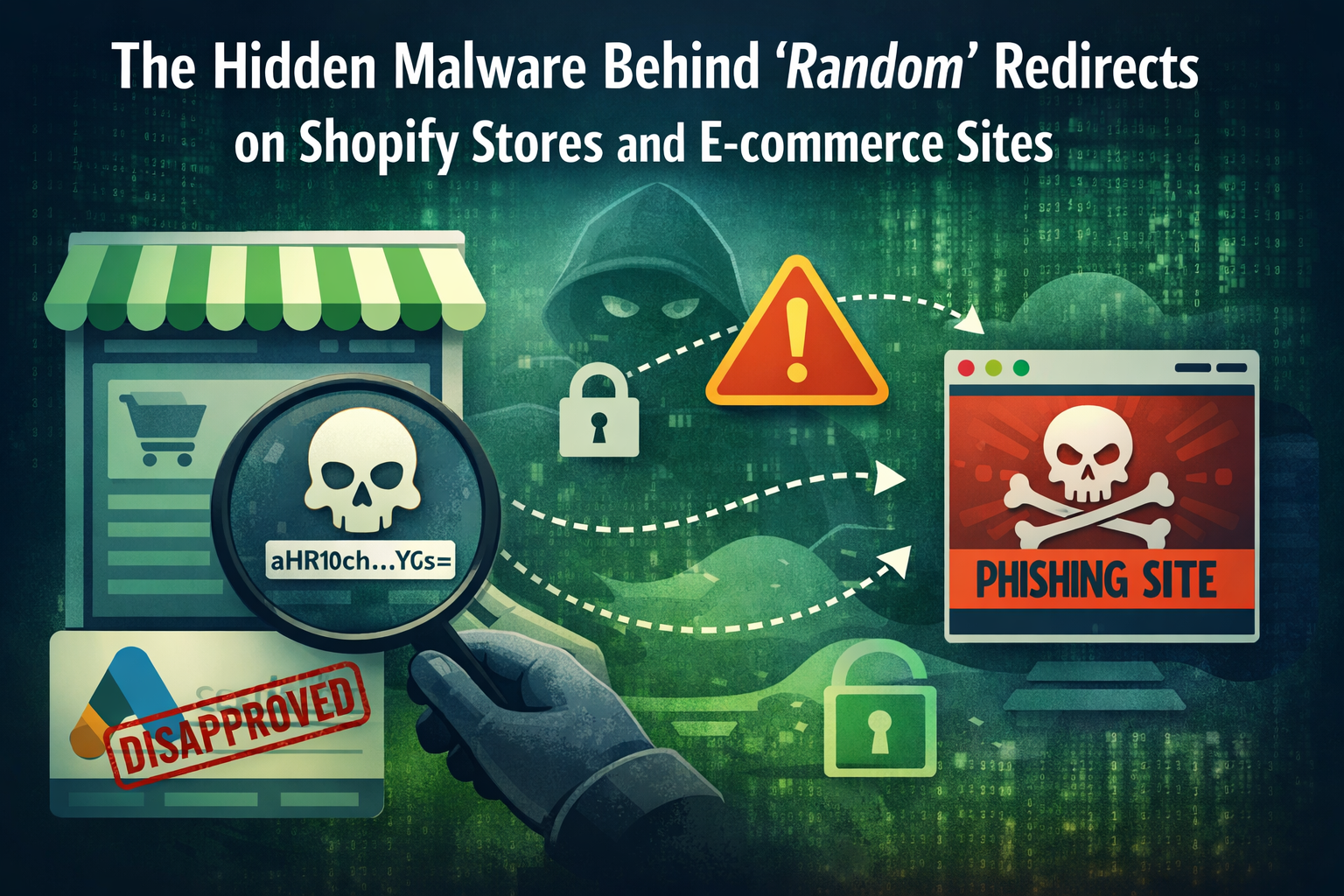
Over the past year, we have investigated several Shopify and ecommerce websites that were experiencing intermittent, non-user-initiated redirects to external or affiliate-style domains. In every case, store owners were told some version of: “We can’t reproduce it.” “It must be a browser extension.” “It’s probably DNS or hosting.” “We uninstalled all apps and it’s still…
-
Mobile Device Management (MDM) for Saskatchewan Businesses Why MDM Matters More Than Ever in Saskatchewan Across Saskatchewan, businesses, nonprofits, municipalities, and Indigenous organizations are relying more heavily on mobile devices than ever before. Phones, tablets, and laptops are now core business tools—used for email, customer data, billing, scheduling, field work, and internal communications. The problem?…
-
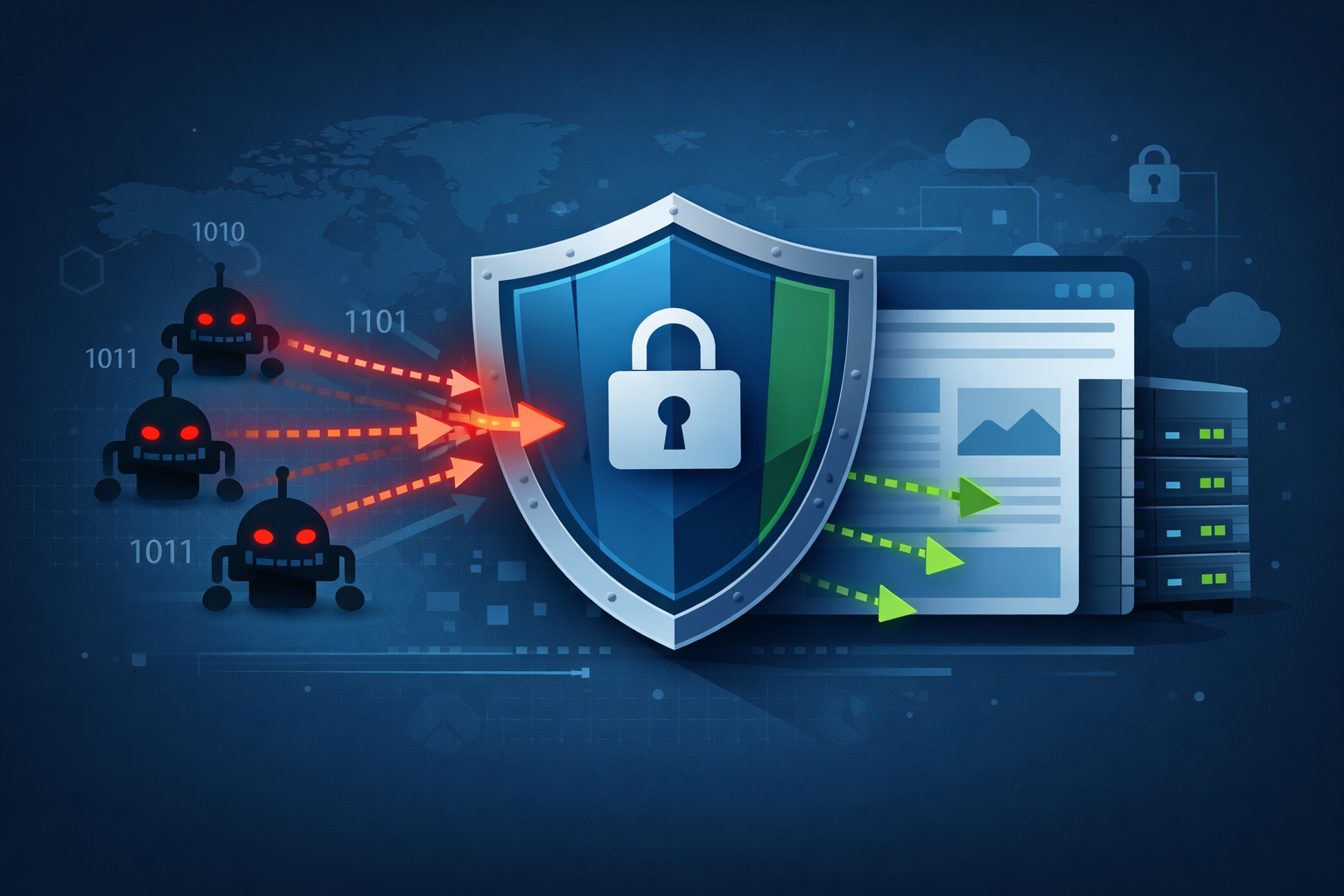
A small organization operating a public-facing website began experiencing abnormal traffic patterns shortly after launch. The traffic was not causing downtime but raised concerns about scraping, credential stuffing, and resource abuse. Risk Identified High volume of automated requests Repeated access patterns inconsistent with human behavior Increased exposure to credential attacks and service degradation Actions Taken…
-
2026 Will Be a Defining Year for Cybersecurity — And Why Products Matter More Than Ever Cybersecurity is changing faster than most businesses realize. Over the last few years, organizations have grown used to hearing about breaches, ransomware, and data leaks as isolated events — something that happens to other companies, usually larger ones. That…
-
LTH Cybersecurity conducted a controlled forensic investigation to determine whether a 2020-era build of the Aloha Browser (v2.x, Chromium/WebView ~80) records internal database artifacts when popups are triggered without direct user interaction. Key Finding:Across all tested scenarios—including redirect chains, iframe triggers, timer-based popups, and programmatic window.open() calls—no automatic entries were ever written to the browser’s…